Sidmouth Nature Explorers: Salcombe Regis Nature Walk by Peter Orchard.
Ten of us gathered in the car park of Salcombe Church at 10.00am and set off to explore the flora of the Salcombe area. Whilst flowers were the focus some of us had our eye on other wildlife too as the species list gathered shows! (see link below)
We started with a good look at the churchyard which, thankfully, seems to be one of those churchyards where nature is allowed to flourish. We may not have found anything particularly rare but there was a good variety of plants to maintain interest. The grave stones in the churchyard are, of course, an ideal place to look for lichens but naming all but a few is a job for experts.
Having surveyed the church grounds we strolled down the lane towards South Coombe Farm inspecting the hedgerows and ditches adding more flowers to the list and also finding a small number of insects. It was not particularly warm which obviously had an effect on insect activity.
Once back at the car park the species list had grown to 88 but we had actually seen more than that as only those plants in flower 'qualified' for inclusion!
Listed below are some of the highlight species, our 'Top Spots'.
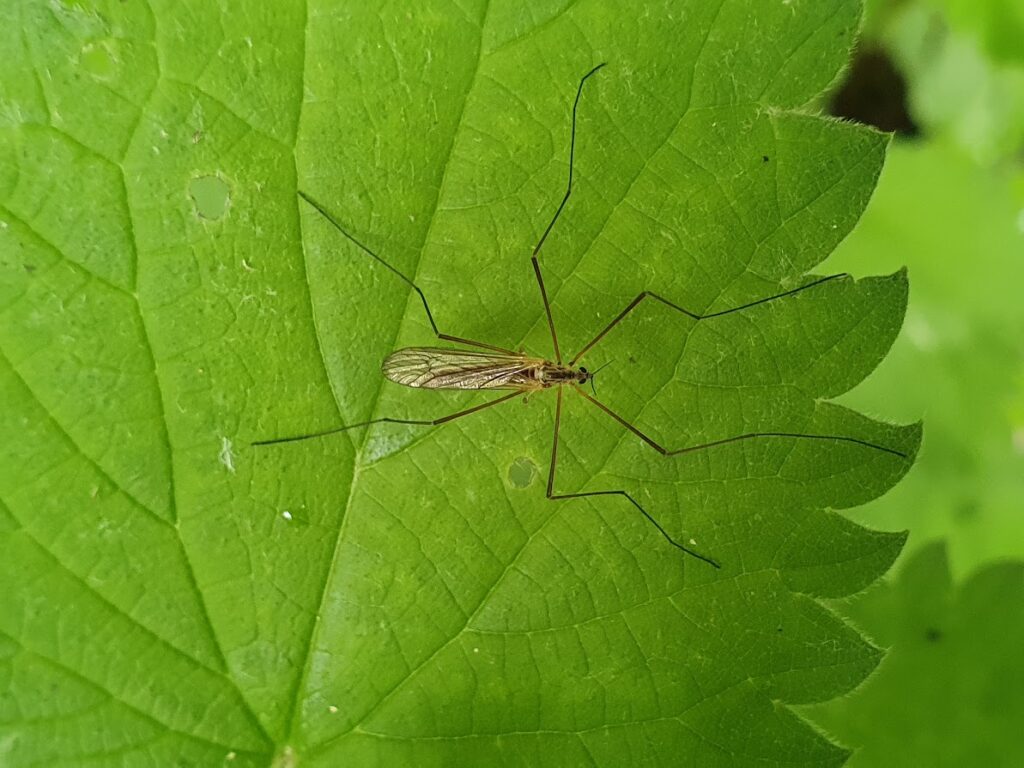
Black-spotted Cranefly
Limonia nigropunctata
Craneflies, often mistaken for oversized mosquitoes, are a diverse group of insects with a significant ecological role.
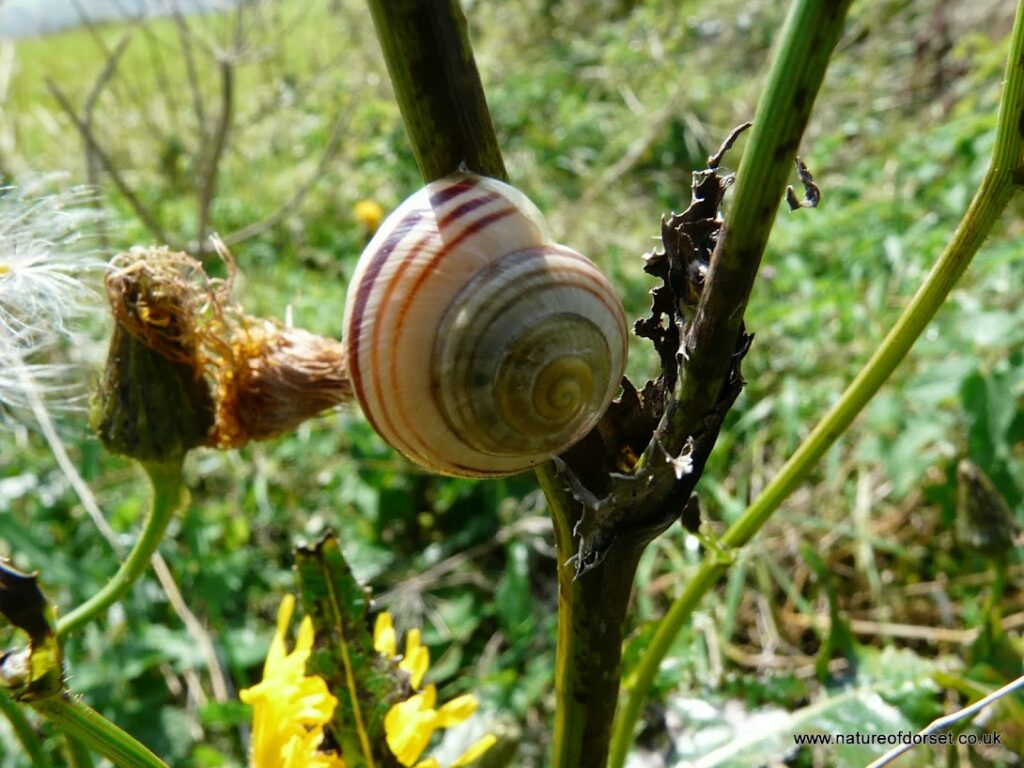
Brown-lipped Snail
Cepaea nemoralis
The brown-lipped snail, scientifically known as Cepaea nemoralis, is a land snail species renowned for its beautiful and varied shell patterns.
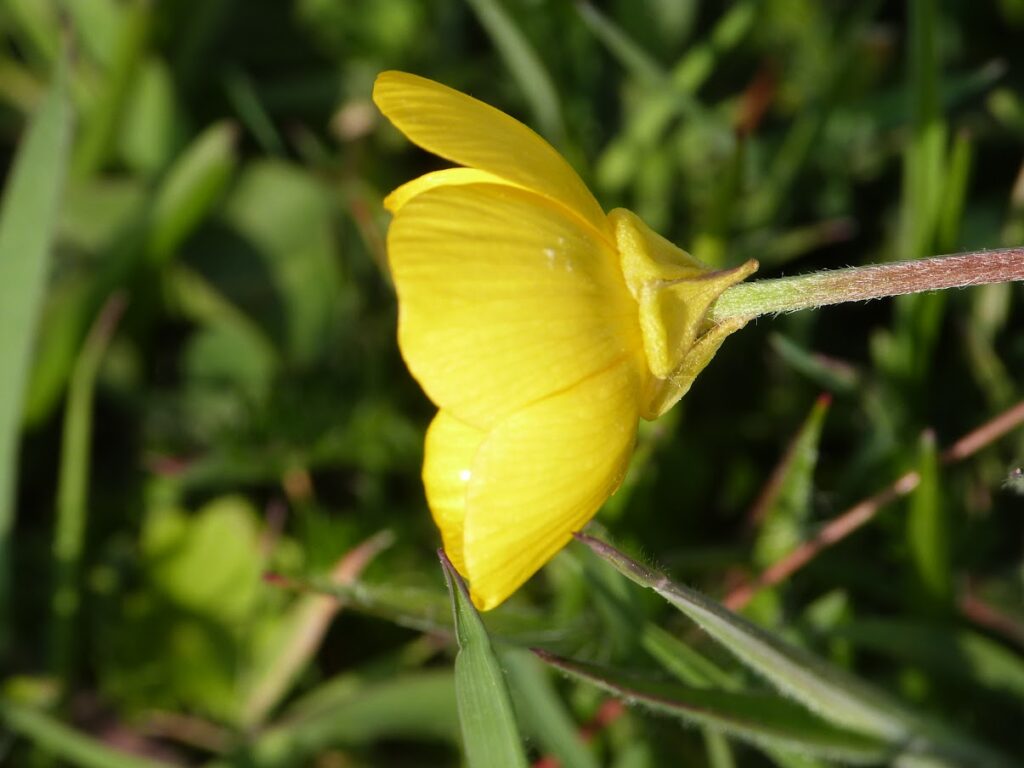
Bulbous Buttercup
Ranunculus bulbosus
In the awakening embrace of spring, as meadows burst into vibrant life and woodlands stir from their winter slumber, a golden treasure graces the landscape, heralding the arrival of warmer days and sun-kissed blooms.
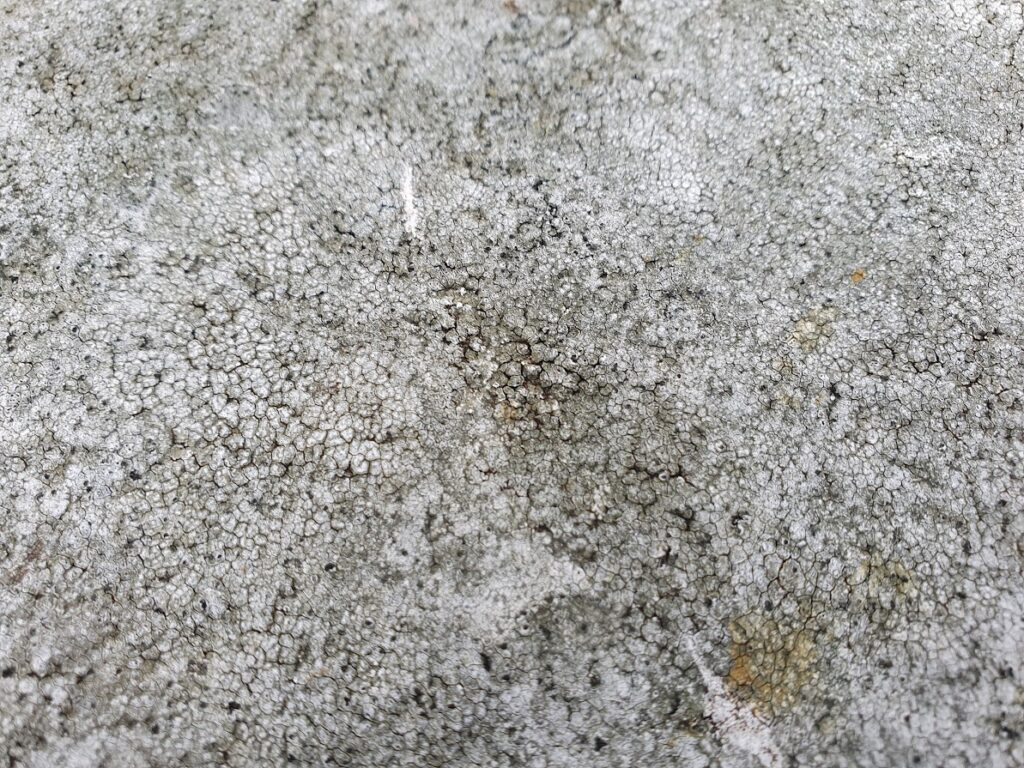
Common Grey Lichen
Lecanora campestris
Lichen, often overlooked in the grand tapestry of nature, plays a vital role in ecosystems around the world.
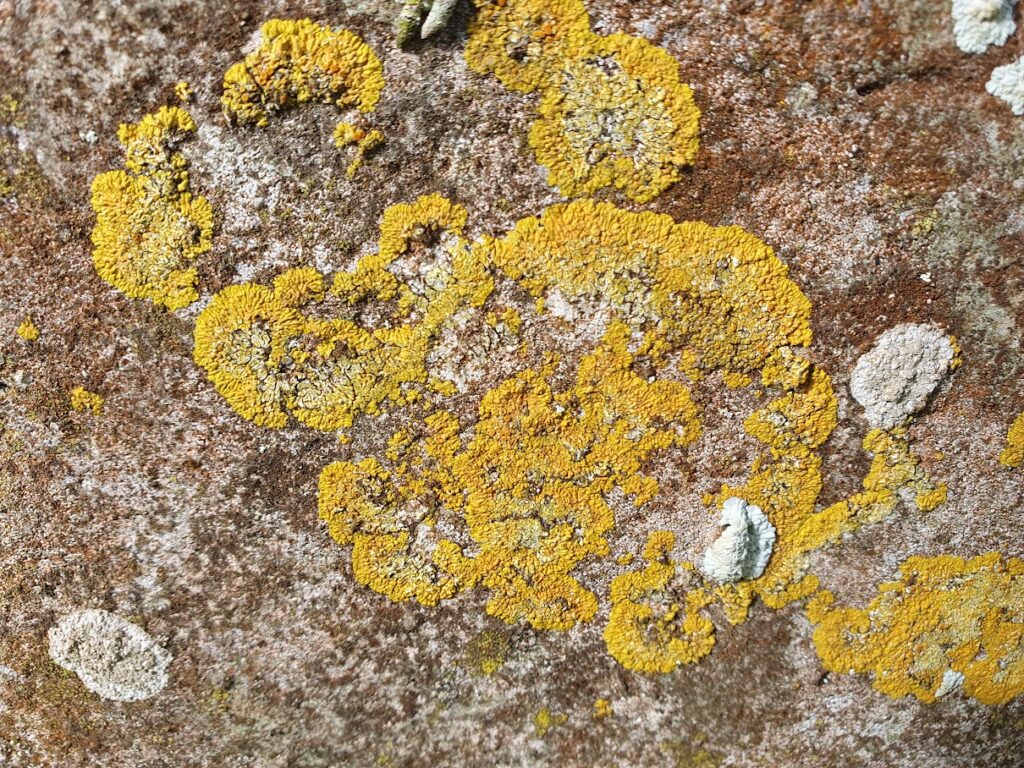
Common Orange Lichen
Caloplaca flavescens
In the intricate tapestry of Earth's ecosystems, lichens emerge as remarkable organisms, embodying the delicate dance between fungi and algae or cyanobacteria.
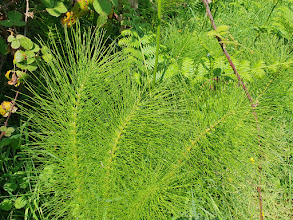
Great Horsetail
Equisetum telmateia
In the moist soils of wetlands, riverbanks, and marshes, a living relic from the distant past thrives, its prehistoric lineage a testament to its resilience and adaptability.
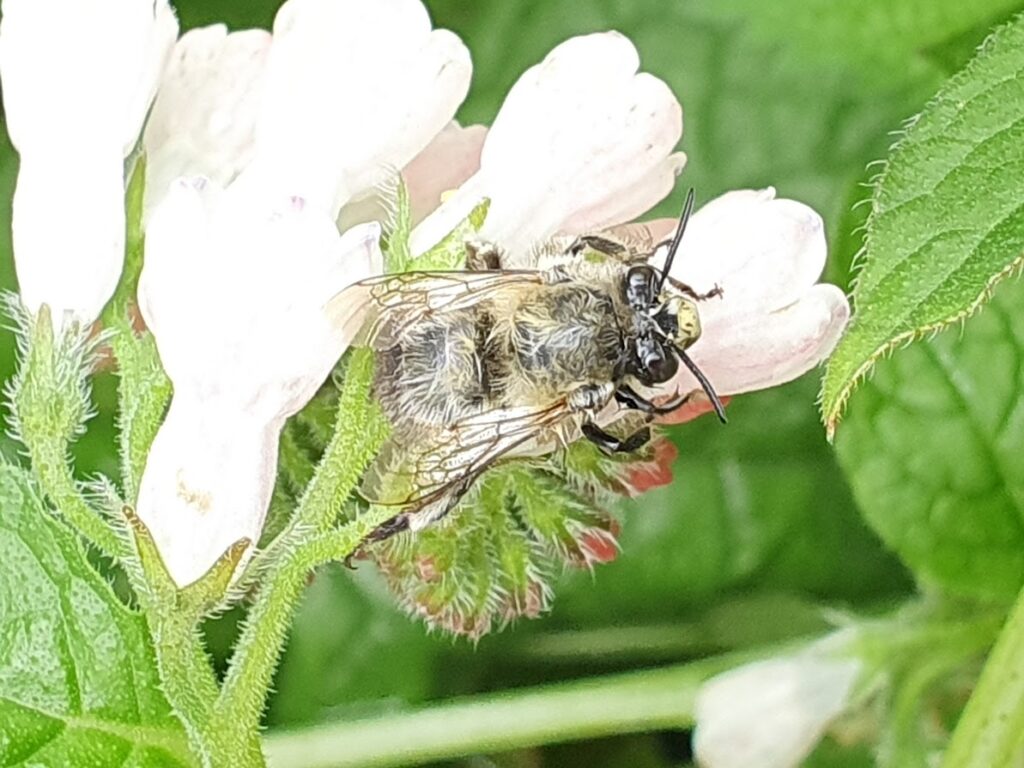
Grey-patched Mining Bee
Andrena nitida
The grey-patched mining bee, scientifically known as Andrena nitida, is a fascinating species within the diverse world of solitary bees.
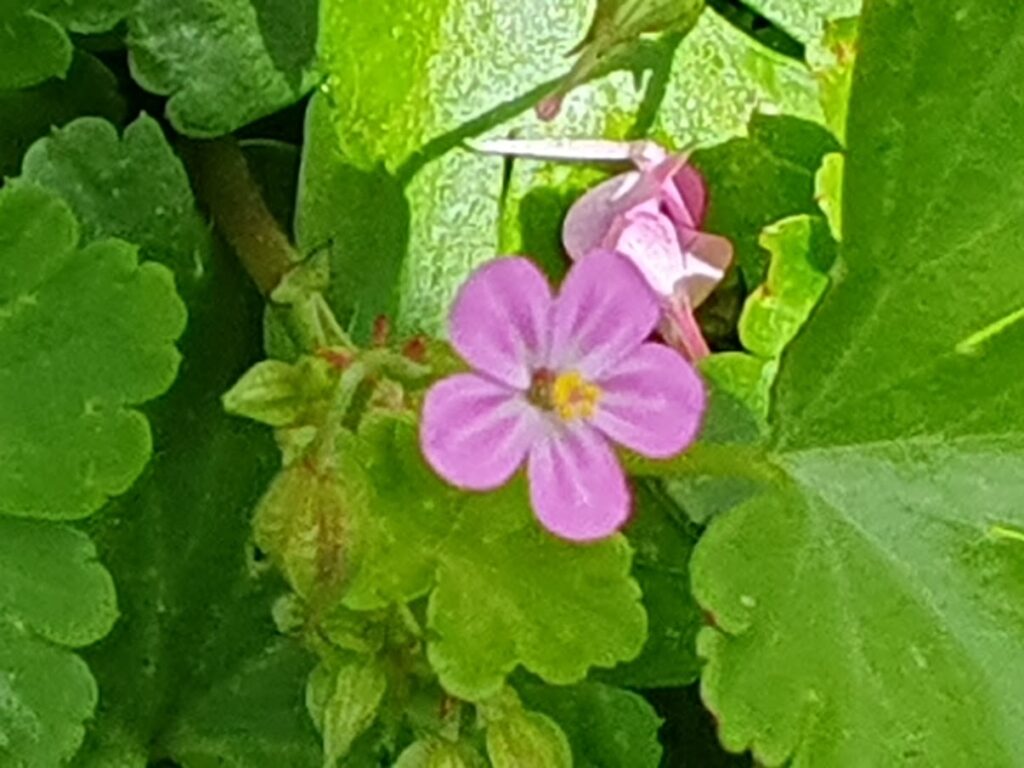
Shiny Cranesbill
Geranium lucidum
Amidst the verdant tapestry of woodlands, meadows, and gardens, a dazzling botanical gem graces the earth with its presence—the Shiny Cranesbill.
Soft Brome
Bromus hordaeceus
Amidst the gentle sway of grasslands and meadows, an unassuming yet vital grass species thrives—the Soft Brome.
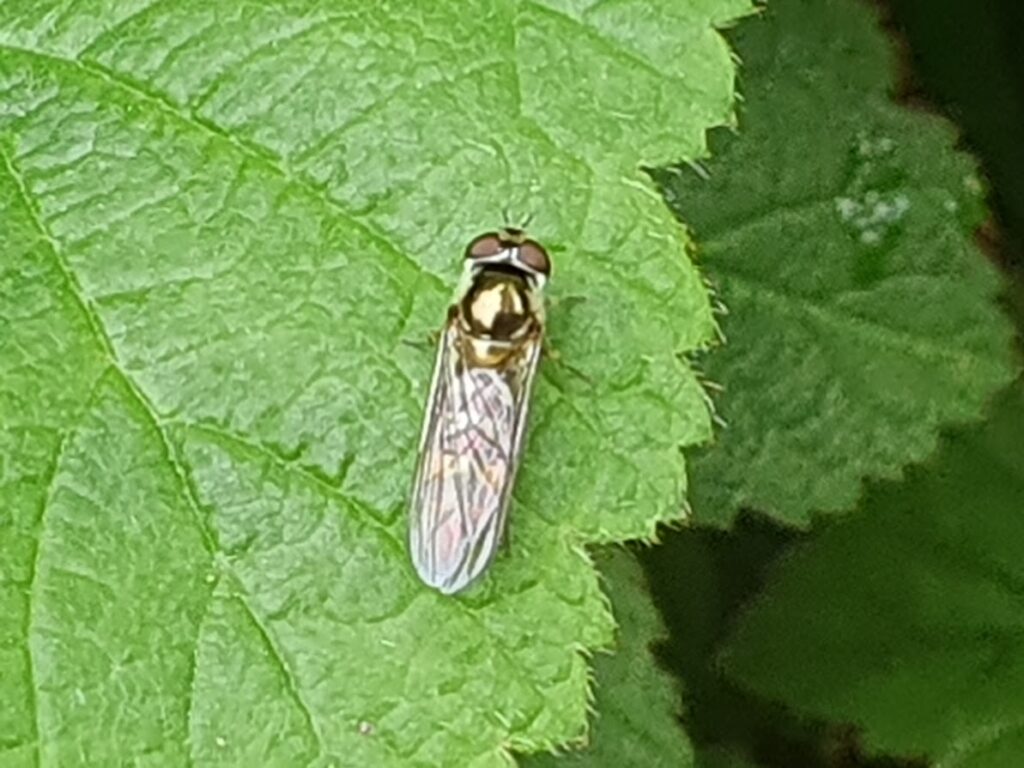
Variable Dusky-faced Fly
Melanostoma mellinum
This small hoverfly, often overlooked, is a key player in both pollination and pest control, making it an essential component of natural and agricultural ecosystems.