Nature Walks Group: The Butterfly Walk that wasn't.
It did seem that this might be an ill-omened walk: Janet was unable to lead; the original Lyme Regis location was deemed unsuitable; we considered the wildflower meadow at the Honey Farm, but were told it had just been mowed out; so, Seaton Wetlands it was...then Paul Butter, our expert Lepidopterist, had to cancel at the very last moment; and finally the weather forecast looked distinctly gloomy, with a good chance of rain. Not an auspicious start.
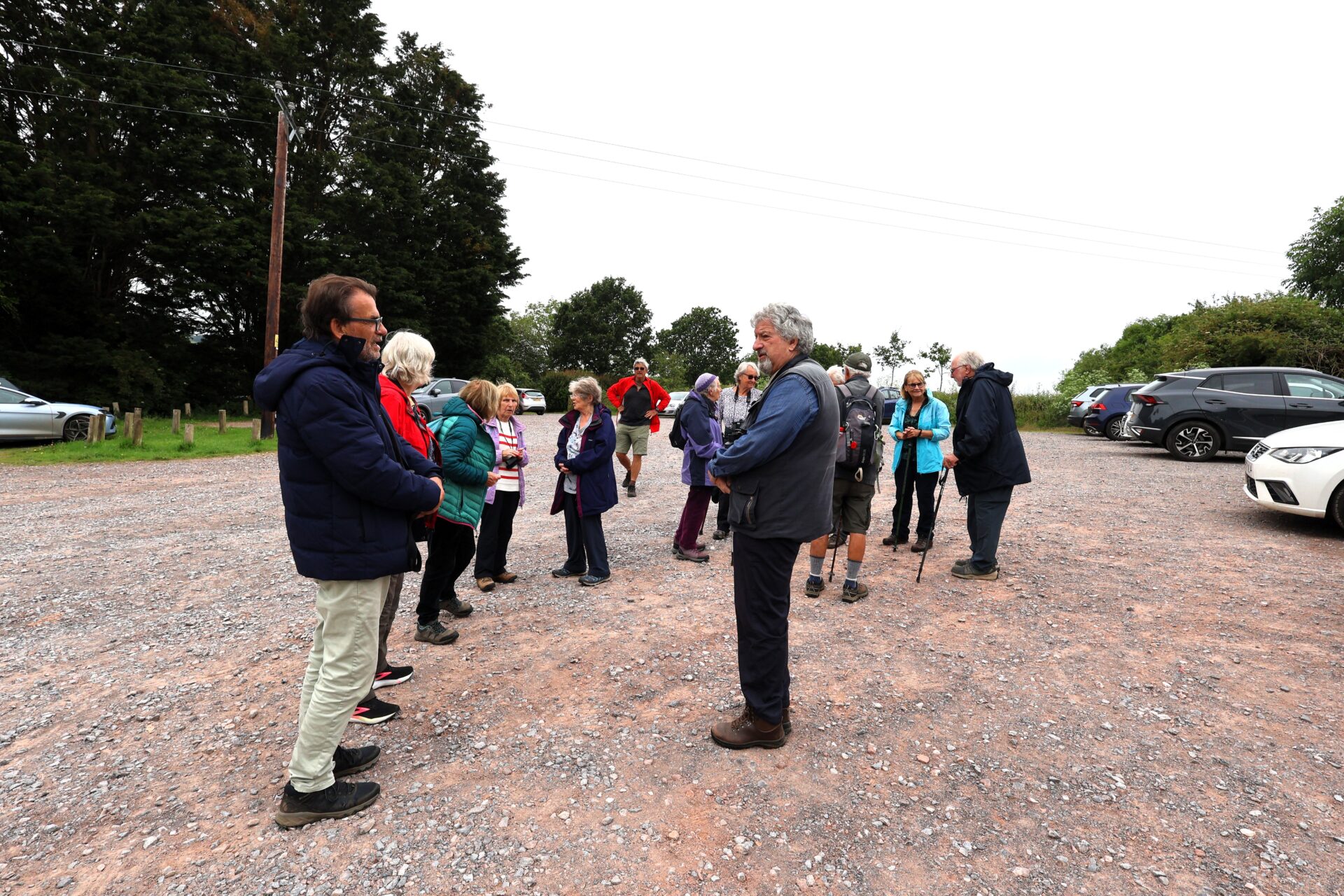
However, despite the gloomy forecast, 14 of us turned out and felt not a single drop of rain. Eileen even had to remove over 3 layers of weather protection as the morning gradually warmed up. And upon arrival, as you can see in the background of the group photo, Roger gave an impromptu demonstration of the Highland Fling 'Pas de Basque' to a largely indifferent audience.
With several very knowledgeable members we were able to cover a whole spectrum of botanics, ornithology and entomology. We even saw 2 butterflies towards the end of the walk - a Meadow Brown and a Large Skipper - although I'm sure Paul would probably have spotted and netted a few more for us. A few of the group were fortunate enough to see the most aptly named 'Beautiful Demoiselle', one of only 2 types of damselfly with coloured wings (the photo is not one of ours, it is courtesy of Charles J Sharp, but well worth including).
Some Rough Chervil was spotted which, unlike the edible herb Common Chervil, is proper poisonous. Vertigo, drowsiness, stomach inflammation, heart issues, are caused by ingestion, and the sap causes irritation and rashes. It has been used in folk medicine, including for leprosy where temporary blindness was a side effect.
The Sand Martins were fewer in number from a week or so ago but still a delight to watch. And who knew Moorhen chicks could climb trees?
The species list does not include all of the plants, birds and insects we saw but it does give a very good taster.
All in all a really pleasant morning that extended past our usual finishing time (lack of control by the temporary group leader).
And the moral is: if the Met Office say it is likely to rain, it probably won't...so go out anyway.
Thanks particularly to Eileen, Fred, Helen, Kevin & Malcolm (and Charles J Sharp) for photos and identifications.
ChrisP
Click on an image to start the slide show
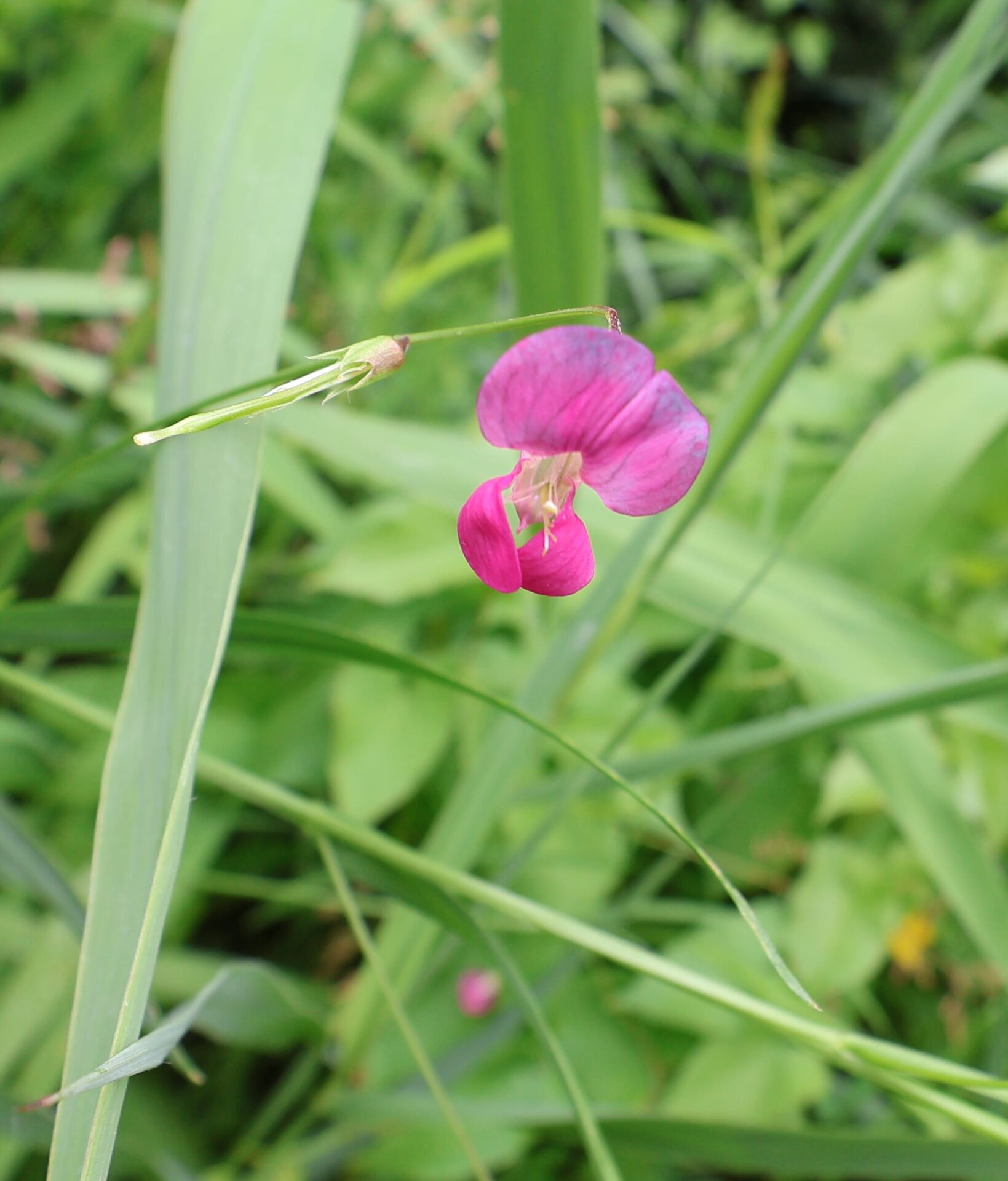
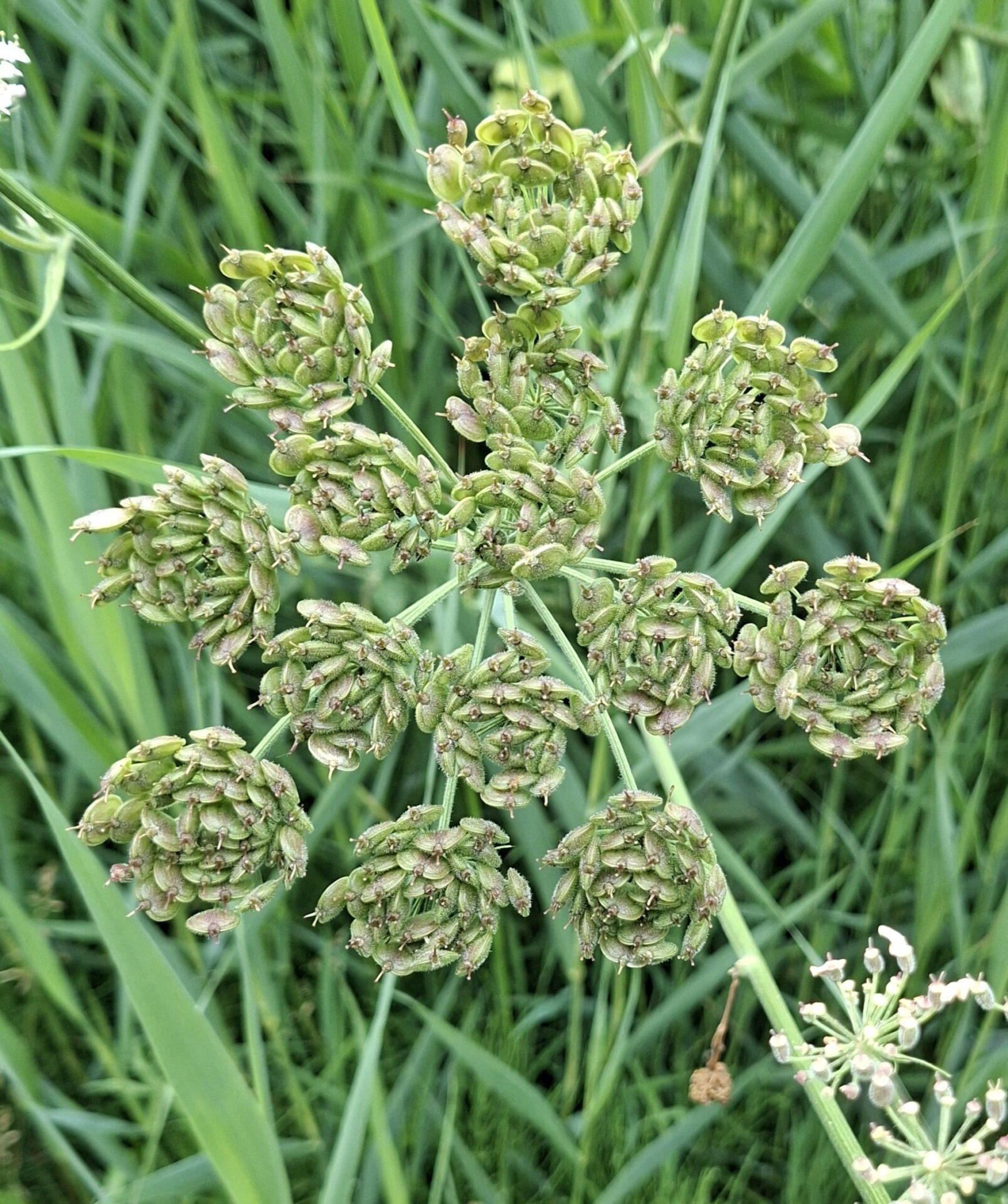
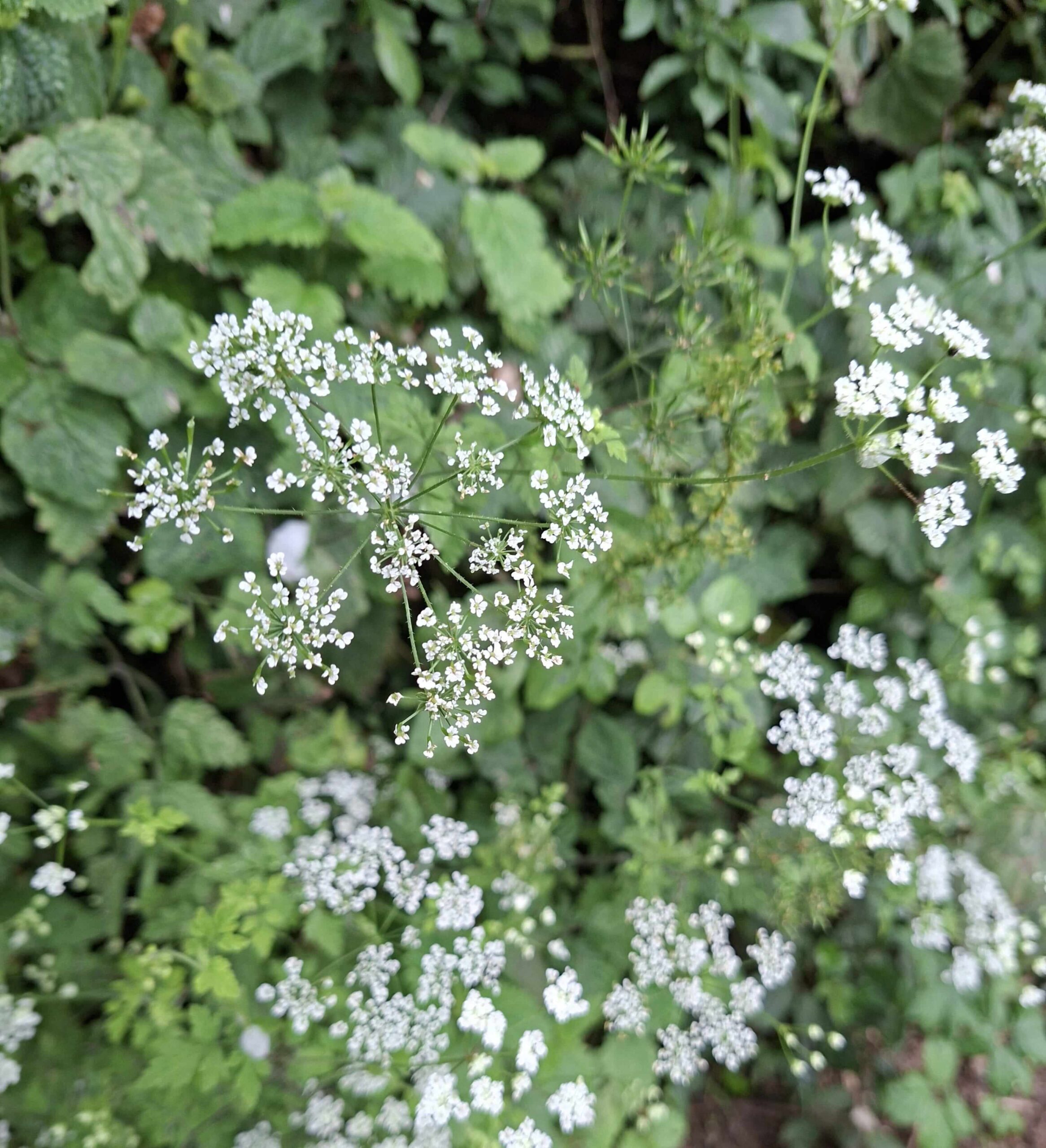
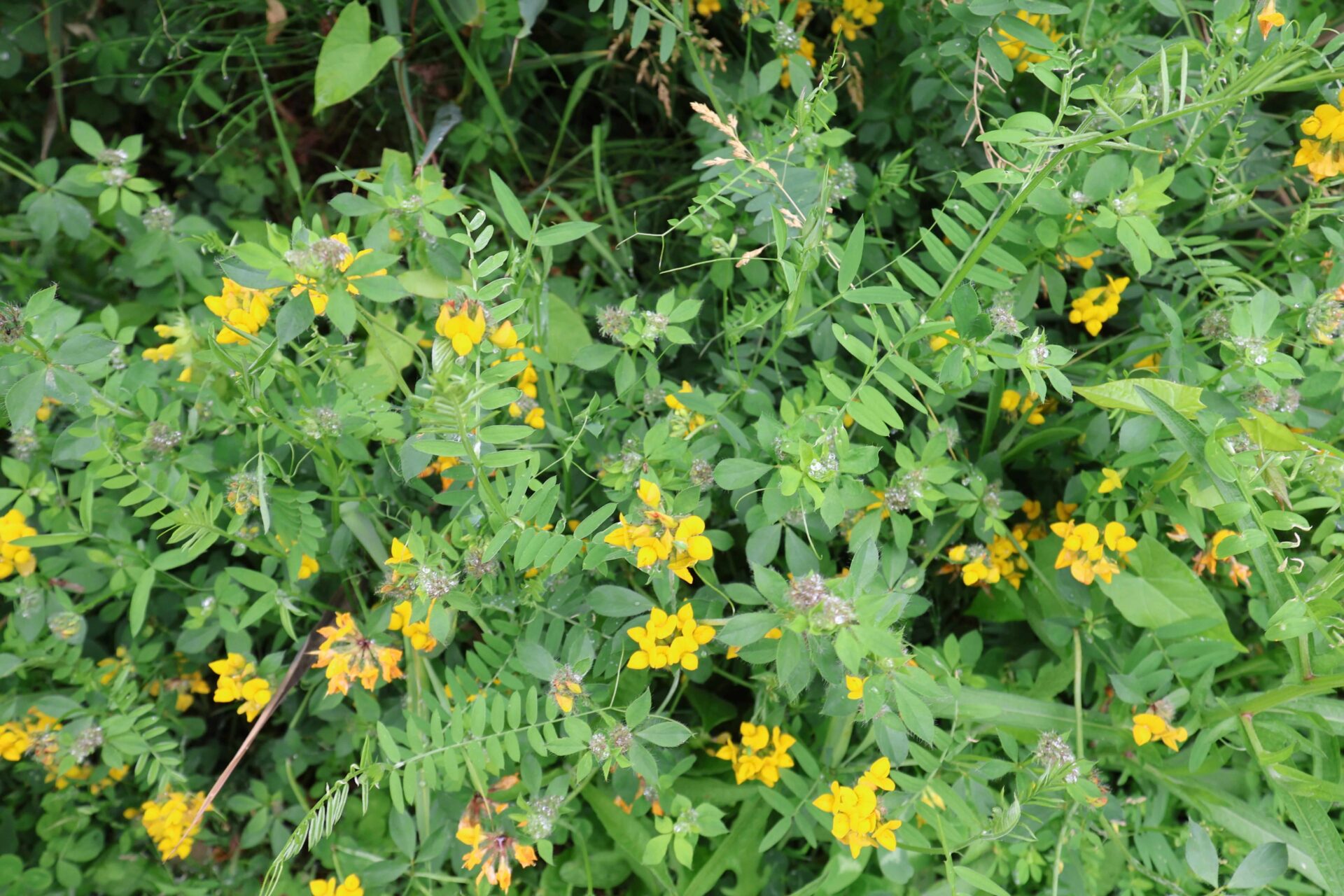
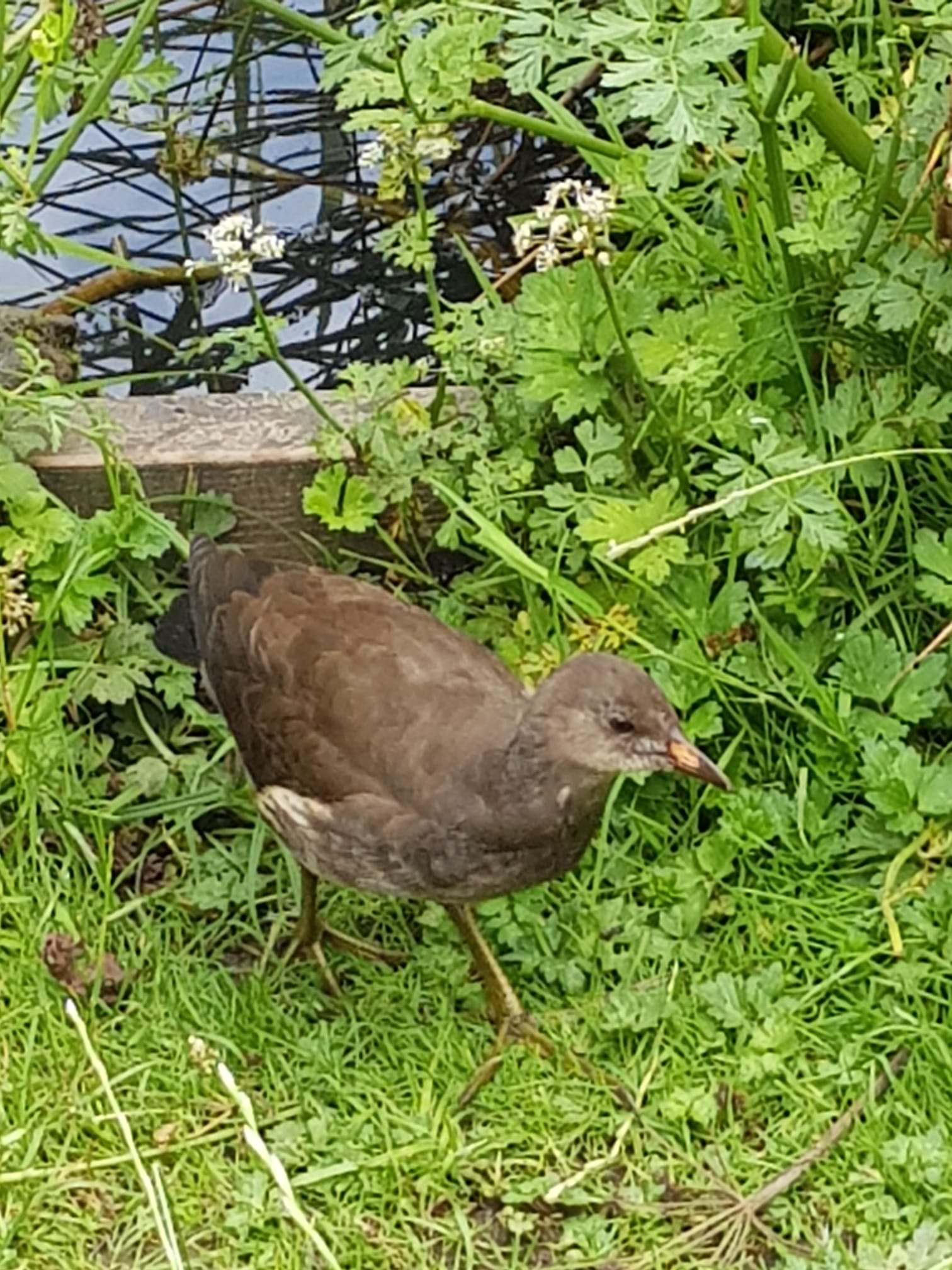
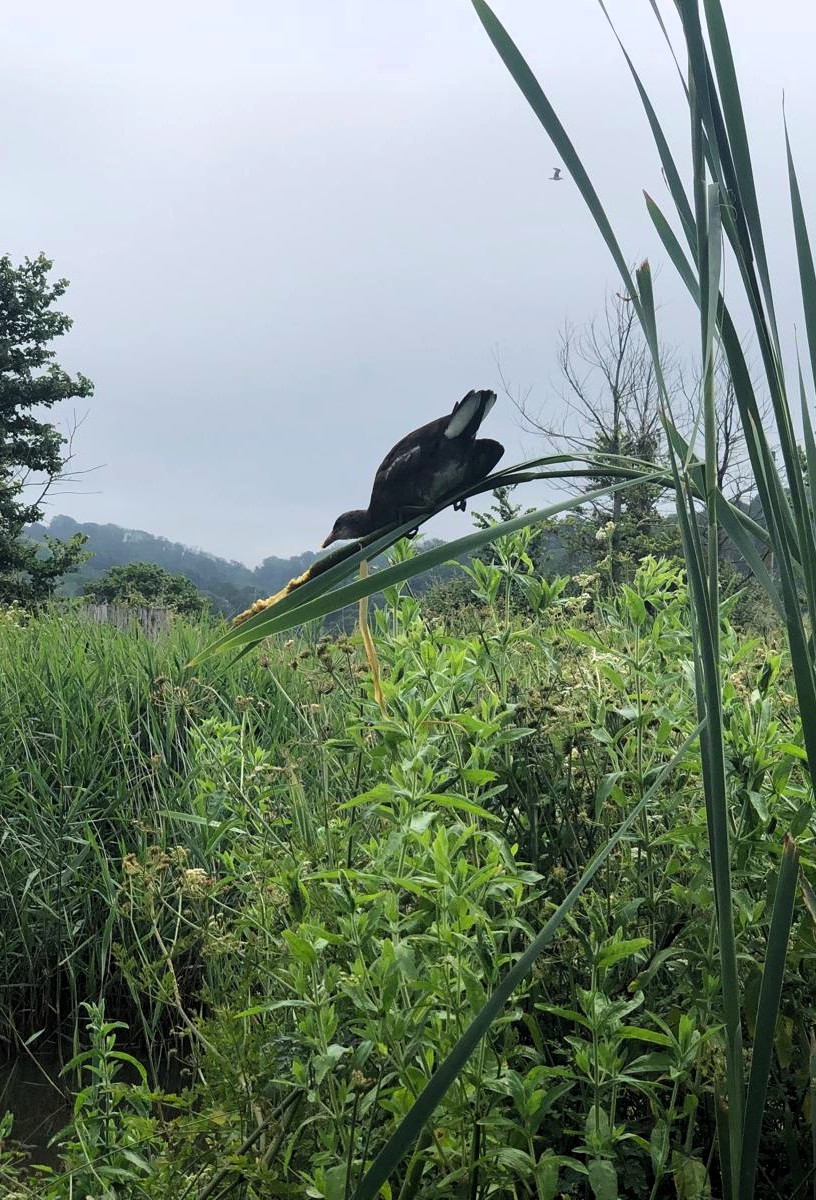
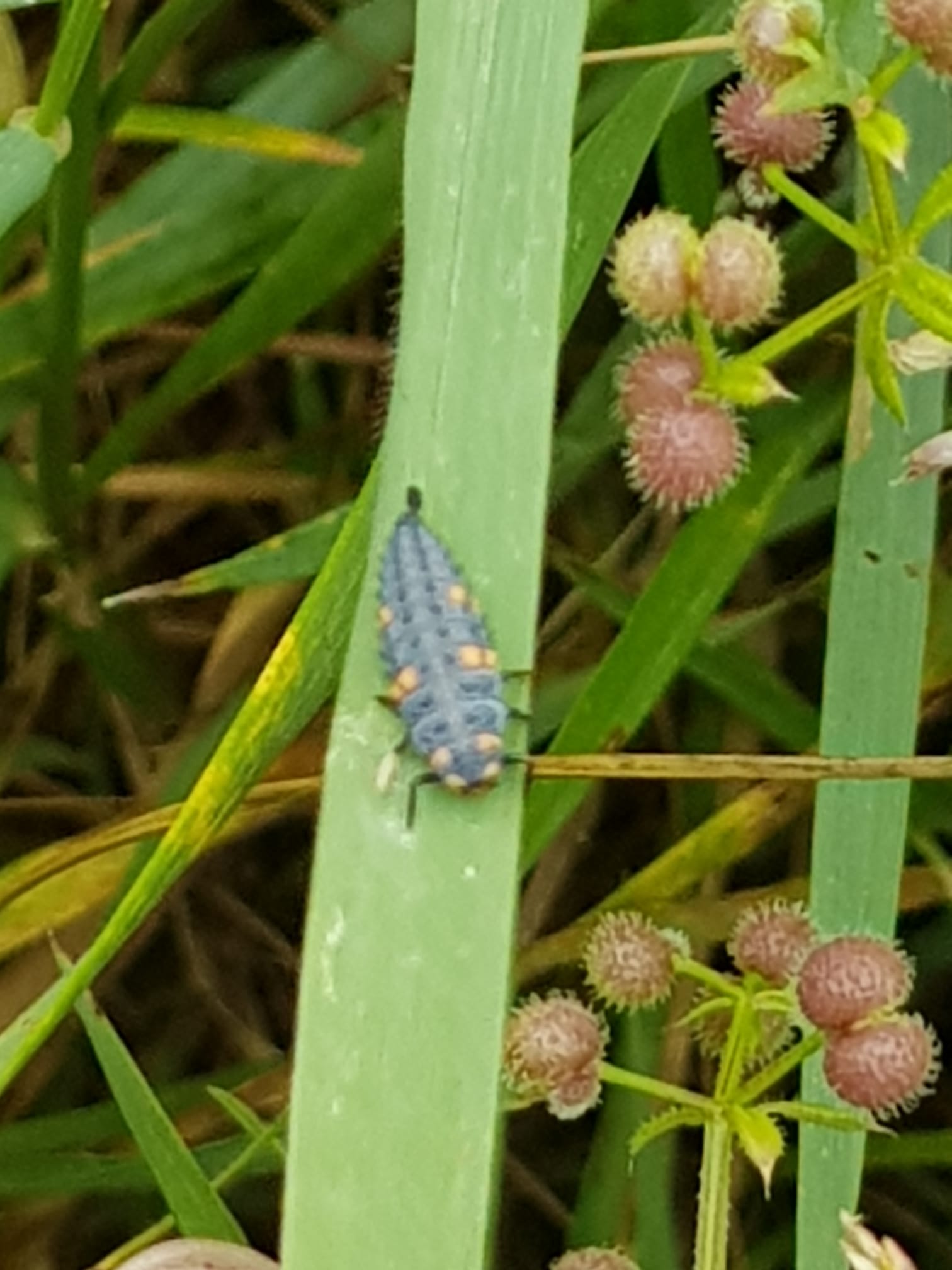
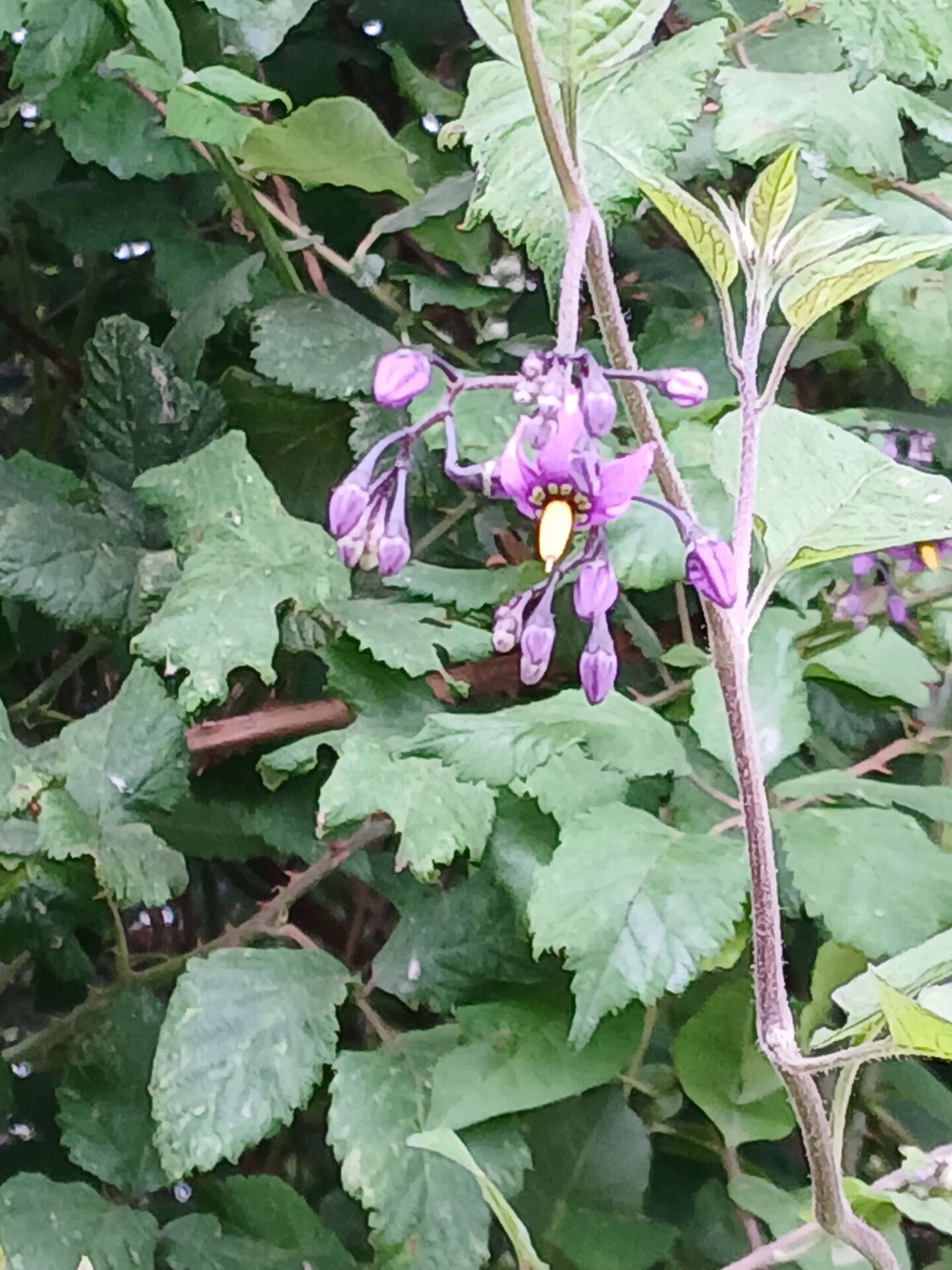
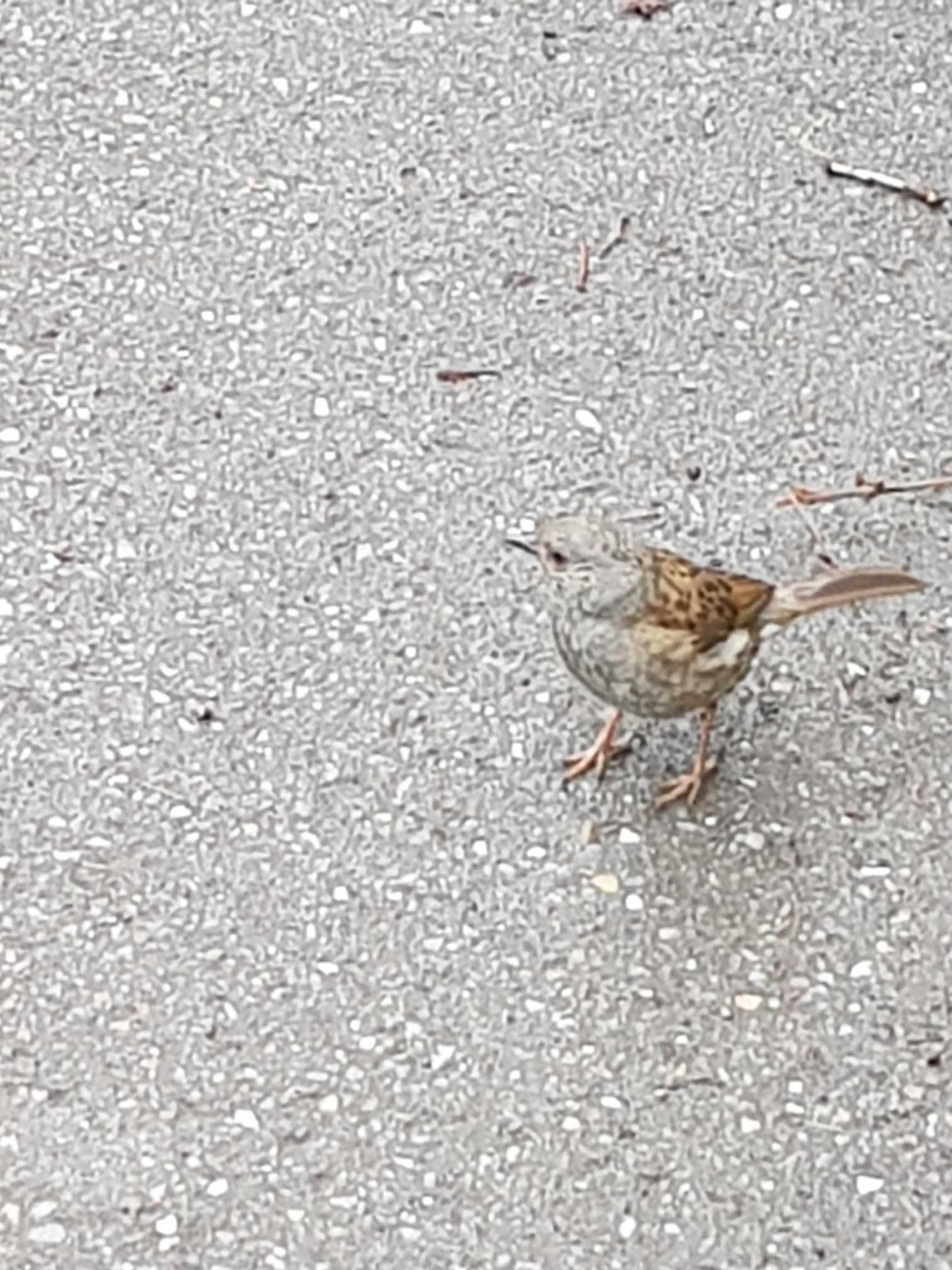

SOME OF THE MORE INTERESTING SPECIES SEEN, POSSIBLY [P], OR HEARD [H]
Birds
- Blackbird
- Black-headed Gull
- Blue Tit
- Cetti's Warbler [H]
- Chiffchaff [H]
- Coot
- Dunnock
- Greenfinch [H]
- Herring Gull
- Jackdaw
- Magpie
- Moorhen
- Oystercatcher
- Reed Warbler
- Robin
- Sand Martin
- Shelduck
- Wren
Plants
- Bird's Foot Trefoil
- Bush Vetch
- Common Bedstraw
- Common Bindweed
- Common Vetch
- Creeping Buttercup
- Cut-leaved Crane's Bill
- Dog Rose
- Germander Speedwell
- Grass Vetchling
- Hairy Tare
- Hedge Woundwort
- Herb Bennet
- Herb Robert
- Hogweed
- Horseshoe Vetch
- Knapweed
- Meadowsweet
- Oriental Poppy
- Oxeye Daisy
- Ragged Robin
- Rough Chervil
- Sorrel
- Woody Nightshade/Bittersweet
- Yellow Vetchling
- Yellow Rattle
Insects
- Beautiful Demoiselle
- Blue Damselfly
- Bumblebee
- Dock Shieldbug [P]
- Emperor Dragonfly [P]
- Honey Bee
- Large Skipper
- Marmalade Hoverfly
- Meadow Brown
- Whirligig Beetle