
| Status: | Active, full but can join waiting list |
| Group email: | Remarkable Women group |
| When: | On Wednesday afternoons 2:30 pm-4:30 pm 3rd Wednesday of the month |
| Venue: | Member's Home |
Each month two members of the group research and present to the group a woman from history or current time who they think is remarkable in some way.
The group leaders are Janet Bailey & Christine Pike, who can be contacted using the Group Email link above.
Women such as Elizabeth Garrett Anderson (9 June 1836 – 17 December 1917) who was an English physician and suffragist. She is known for being the first woman to qualify in Britain as a physician and surgeon and as a co-founder and dean of the London School of Medicine for Women, which was the first medical school in Britain to train women as doctors. She was the first female dean of a British medical school, the first woman in Britain to be elected to a school board and, as mayor of Aldeburgh, the first female mayor in Britain.
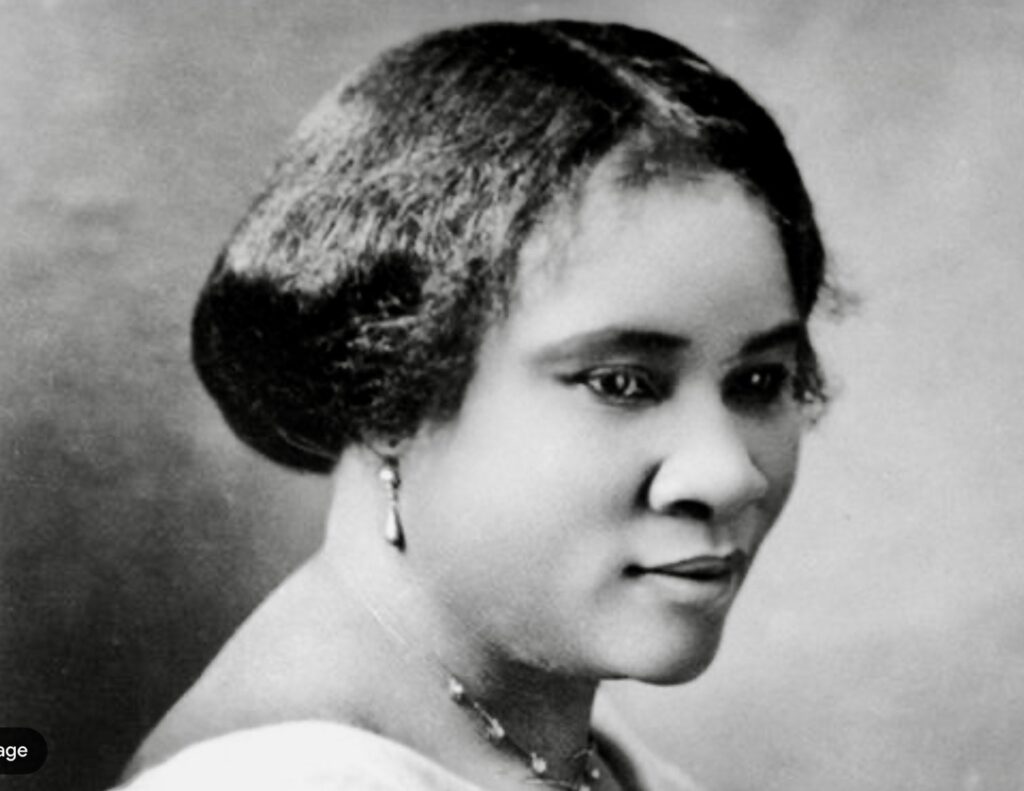
Sara Breedlove, later Madam C J Walker (December 23 1867 – May 25 1919)
An American entrepreneur, philanthropist, and political and social activist, she is recorded as the first female self-made millionaire in America.
She made her fortune by developing and marketing a line of cosmetics and hair care products for black women. She became known for her philanthropy and activism, and made financial donations to numerous organizations. Villa Lewaro, her lavish estate, served as a social gathering place for the African-American community. At the time of her death, she was considered the wealthiest African-American businesswoman and wealthiest self-made black woman in America.

Dame Agatha Mary Clarissa Christie, Lady Mallowan, DBE (5th September 1890 – 12 January 1976)
Born in Torquay in 1890, Agatha Christie became, and remains, the best-selling novelist of all time, outsold only by the Bible and Shakespeare. Her father was a wealthy American man called Frederick Miller, and her mother was Clara, the Irish niece of Frederick’s father’s second wife.
She is best known for her 66 detective novels and 14 short story collections, as well as the world’s longest-running play – The Mousetrap.
Her books have sold over a billion copies in the English language and a billion in translation.
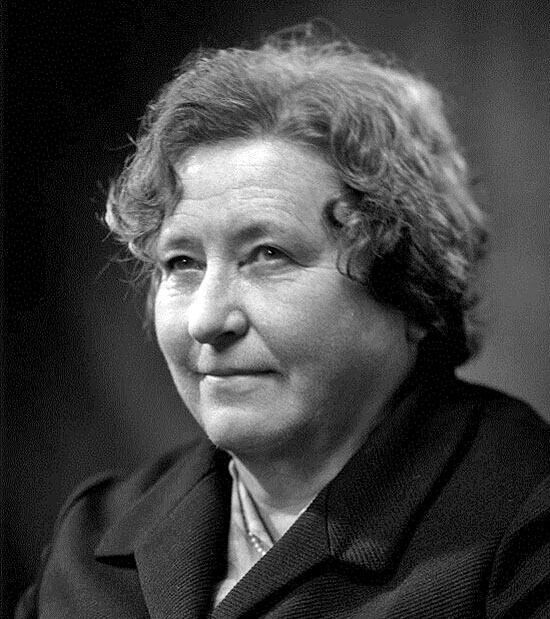
Dame Kathleen Mary Kenyon, DBE, FBA, FSA (5 January 1906 – 24 August 1978)
Kathleen Kenton was a British archaeologist of Neolithic culture in the Fertile Crescent. She led excavations of Tell es-Sultan, the site of ancient Jericho, from 1952 to 1958, and has been called one of the most influential archaeologists of the 20th century.
She was Principal of St Hugh's College, Oxford, from 1962 to 1973, having undertaken her own studies at Somerville College, Oxford.
In 1973 she was appointed a Dame Commander of the Order of the British Empire (DBE) "for services to archaeology". She was an elected Fellow of the British Academy (FBA) and of the Society of Antiquaries of London (FSA). She was made a Grand Officer of the Order of Independence by the King of Jordan in 1977.
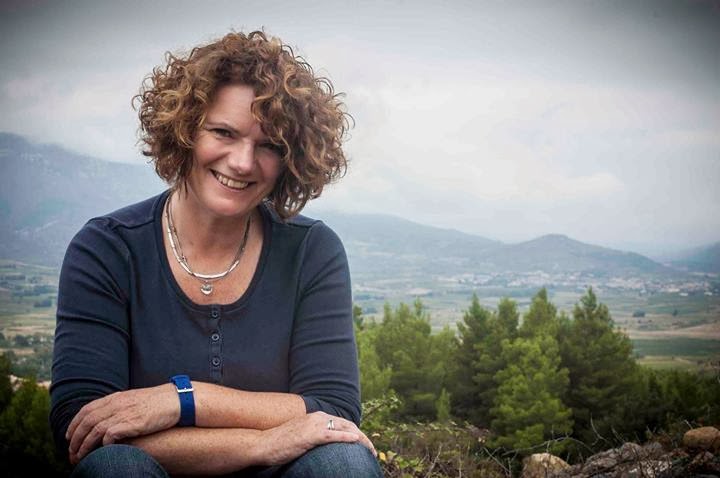
Katie Jones of Domaine Jones
Katie Jones is the organic winemaker and owner of the acclaimed Domaine Jones winery on the Languedoc-Roussillon border, in the South of France.
Katie, originally from Leicester, left the UK for life in the remote mountain village of Tuchan over twenty years ago, to work for the local wine cooperative. In 2008, Katie swapped the suit and briefcase for shorts and pruning shears and bought her first vineyard — 2.5 ha of old vines — located high up in the Maury hills. Despite ongoing challenges of vine-stripping wild boar, battling forest wildfires and rising above village gossip and malicious acts of sabotage (vandals poured away her entire vintage of 2012 white wine), Domaine Jones has gone from strength to strength and Katie now has around 25 small vineyard plots totalling around 12 hectares.
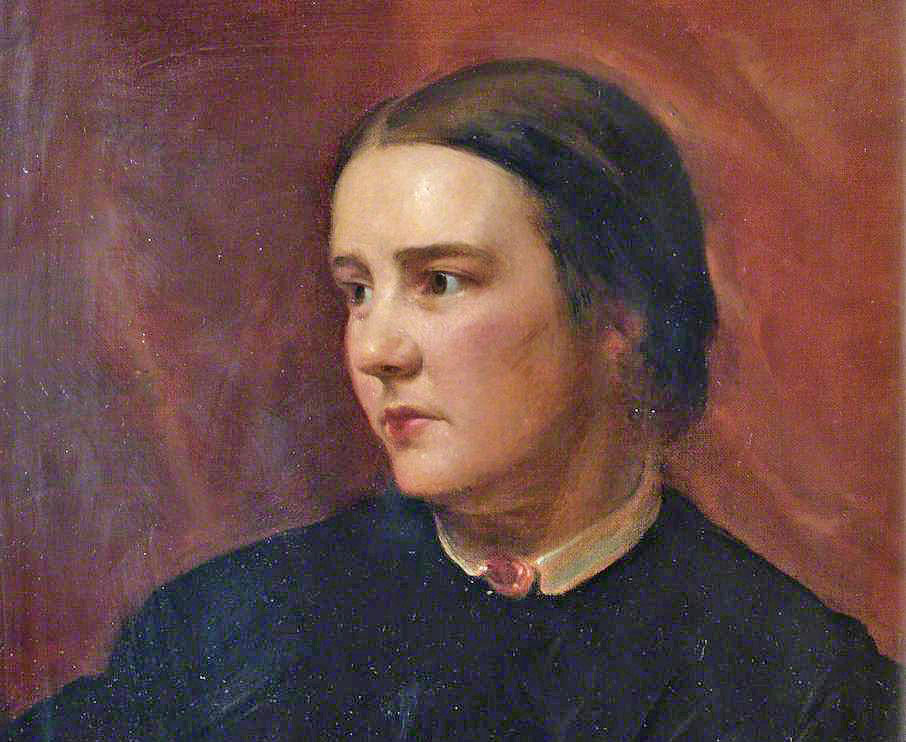
Sophia Louisa Jex-Blake (21 January 1840 – 7 January 1912)
Sophia Jex-Blake was an English physician, teacher, and feminist. She led the campaign to secure women access to a university education, when six other women and she, collectively known as the Edinburgh Seven, began studying medicine at the University of Edinburgh in 1869.
She was the first practising female doctor in Scotland, and one of the first in the wider United Kingdom; a leading campaigner for medical education for women, she was involved in founding two medical schools for women, in London and Edinburgh, at a time when no other medical schools were training women.
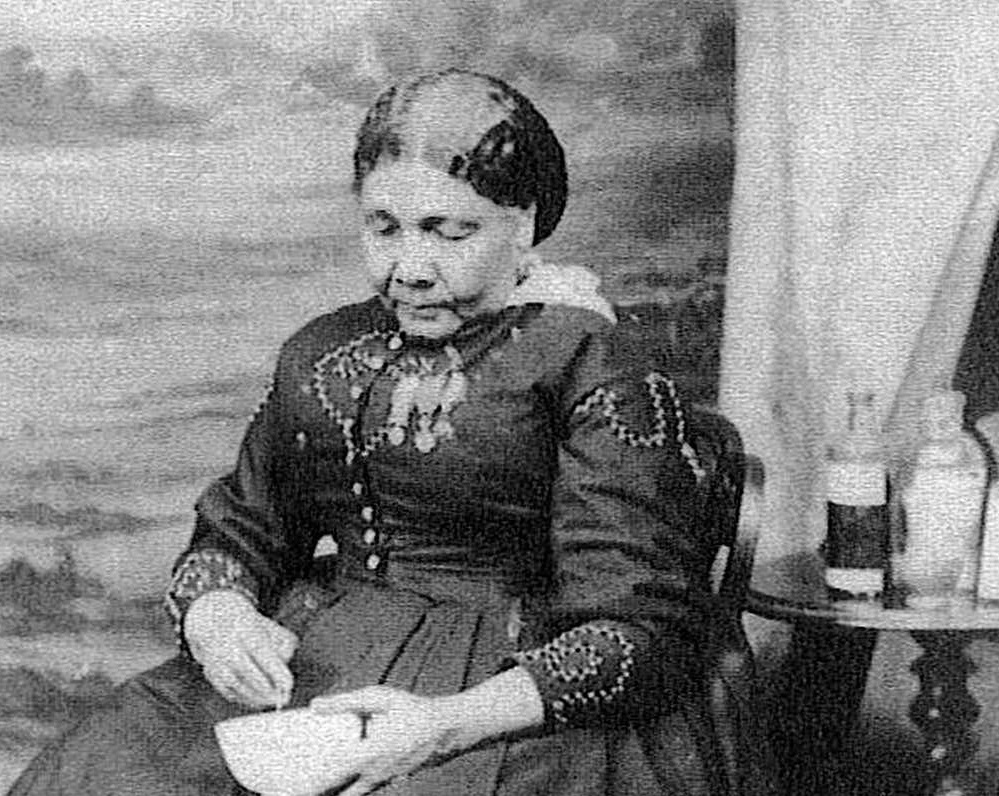
Mary Jane Seacole (née Grant) (23 November 1805 – 14 May 1881)
Seacole was born to a Creole mother in Kingston who ran a boarding house and had herbalist skills as a "doctress". In 1990, Seacole was (posthumously) awarded the Jamaican Order of Merit. In 2004, she was voted the greatest black Briton in a survey conducted in 2003 by the black heritage website Every Generation .
Seacole went to the Crimean War in 1855 with the plan of setting up the "British Hotel", as "a mess-table and comfortable quarters for sick and convalescent officers." However, chef Alexi Soyer told her that officers did not need overnight accommodation, so she made it instead a restaurant/bar/catering service. It proved to be very popular and she and her business partner, a relative of her late husband, did well on it until the end of the war. Her memoir, Adventures of Mrs Seacole in Many Lands, 1857, includes three chapters of the food she served and the encounters she had with officers, some of them high ranking, and including the commander of the Turkish forces.

Jeanne Baret (27 July 1740 – 5 August 1807)
Jeanne Baret is recognised as the first woman to have completed a voyage of circumnavigation of the globe, which she did via maritime transport. A key part of her journey was as a member of Louis Antoine de Bougainville's expedition on the ships La Boudeuse and Étoile in 1766–1769.
Jeanne Baret joined the expedition disguised as a man, calling herself Jean Baret. She enlisted as valet and assistant to the expedition's naturalist, Philibert Commerçon (anglicized as Commerson), shortly before Bougainville's ships sailed from France. According to Bougainville's account, Baret was an expert botanist.
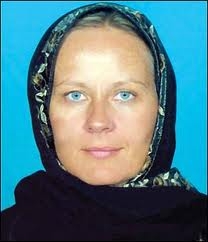
Helle Amin (born in Denmark in 1964)
Helle Amin seemed to have the perfect life on the tropical island of Bali with her husband and four children. But one day in 2002 this idyllic existence was shattered when she returned home from a shopping trip to find her children gone. It didn't take long to discover that her Saudi Arabian husband had taken them to live in his home country.With her children thousands of miles away in the totally unfamiliar surroundings of an Islamic state, Helle drew upon her remarkable courage. Enlisting the help of her friends, she set off for the desert in a desperate attempt to find her beloved boys.
Her journey was filled with drama, danger, excitement and sorrow. In the astonishing struggle that followed, Helle was reduced to catching occasional glimpses of her boys as they went to and from school in Jeddah. Some women might have given up, but not Helle. In a male-dominated society, she prepared her case and demanded justice in the Saudi courts. After a long battle, Helle and her boys were reunited forever, and as a testament to her bravery she was a recent Tesco Mum of the Year winner.
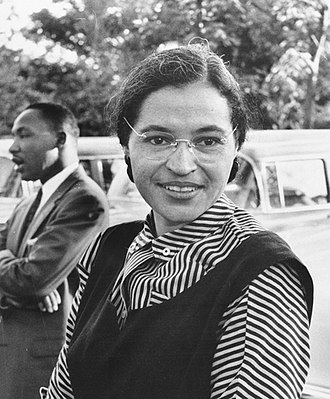
Rosa Parks (February 4, 1913 – October 24, 2005)
Rosa Louise McCauley Parks was an American activist in the civil rights movement, best known for her pivotal role in the Montgomery bus boycott. The United States Congress has honored her as "the first lady of civil rights" and "the mother of the freedom movement".
Parks became an NAACP activist in 1943, participating in several high-profile civil rights campaigns. On December 1, 1955 in Montgomery, Alabama, Parks rejected bus driver James F. Blake's order to vacate a row of 4 seats in the "colored" section in favor of a white female passenger who had complained to the driver, once the "white" section was filled. Parks was not the first person to resist bus segregation, but the National Association for the Advancement of Colored People (NAACP) believed that she was the best candidate for seeing through a court challenge after her arrest for civil disobedience in violating Alabama segregation laws, and she helped inspire the black community to boycott the Montgomery buses for over a year. The case became bogged down in the state courts, but the federal Montgomery bus lawsuit Browder v. Gayle resulted in a November 1956 decision that bus segregation is unconstitutional under the Equal Protection Clause of the 14th Amendment to the U.S. Constitution.
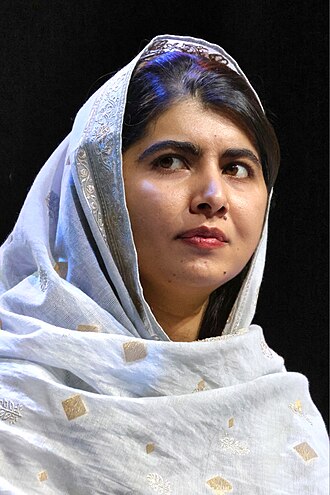
Malala Yousafzai (born 12 July 1997)
Malala Yousafzai is a Pakistani female education activist, film and television producer, and the 2014 Nobel Peace Prize laureate at the age of 17. She is the youngest Nobel Prize laureate in history, the second Pakistani and the only Pashtun to receive a Nobel Prize. Yousafzai is a human rights advocate for the education of women and children in her native homeland, Swat, where the Pakistani Taliban had at times banned girls from attending school. Her advocacy has grown into an international movement, and according to former Prime Minister Shahid Khaqan Abbasi, she has become Pakistan's "most prominent citizen."
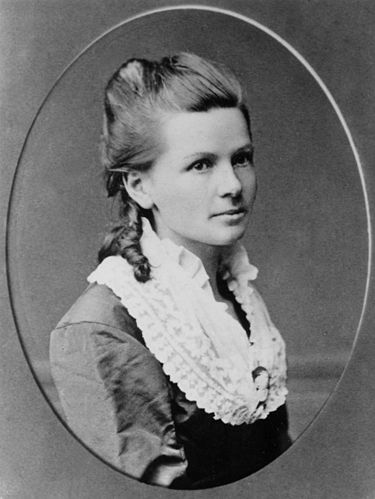
Bertha Benz (3 May 1849 – 5 May 1944)
Bertha Benz, née Cäcilie Bertha Ringer, was a German automotive pioneer. She was the business partner, investor and wife of automobile inventor Carl Benz. On 5 August 1888, she was the first person to drive an internal-combustion-engined automobile over a long distance, field testing the Benz Patent-Motorwagen, inventing brake lining and solving several practical issues during the journey of 105 km (65 miles). In doing so, she brought the Patent-Motorwagen worldwide attention and got their company its first sales. Bertha Benz was not allowed to study in the Grand Duchy of Baden, and her financial and practical engineering contributions have long been overlooked until the 21st century.

Eva Perón (7 May 1919 – 26 July 1952)
María Eva Duarte de Perón was an Argentine politician, activist, actress, and philanthropist who served as First Lady of Argentina from June 1946 until her death in July 1952, as the wife of Argentine President Juan Perón. She was born in poverty in the rural village of Los Toldos, in the Pampas, as the youngest of five children. In 1934, at the age of 15, she moved to the nation's capital of Buenos Aires to pursue a career as a stage, radio, and film actress. She married Perón in 1945, when he was still an army colonel, and was propelled onto the political stage when he became President in 1946. She became a central figure of Peronism and Argentine culture because of the Eva Perón Foundation, a charitable organization that had a huge impact in Argentine society.

Mary Bourne (born 1963)
Mary Bourne is an artist based in the rural North East of Scotland. Trained at Edinburgh College of Art and a John Kinross Scholar in 1985, her professional experience has included numerous public commissions, including interpretative artworks at Bennachie, Aberdeenshire; Mallerstang, East Cumbria and Mugdock Country Park, Milngavie. She has worked with high profile architects like Page/Park (Eden Court Theatre) and Malcolm Fraser (Scottish Poetry Library), as well as with the Scottish Historic Buildings Trust and Historic Environment Scotland on a contemporary carving project for the 16th century Riddle’s Court on Edinburgh’s Royal Mile.

Amelia Earhart (July 24, 1897- January 1939)
Amelia Mary Earhart was an American aviation pioneer. On July 2, 1937, Earhart disappeared over the Pacific Ocean while attempting to become the first female pilot to circumnavigate the world. She was declred dead on 5 January 1939. During her life, Earhart embraced celebrity culture and women's rights, and since her disappearance, she has become a cultural icon. Earhart was the first female aviator to fly solo non-stop across the Atlantic Ocean and she set many other records; she was one of the first aviators to promote commercial air travel, wrote best-selling books about her flying experiences, and was instrumental in the formation of The Ninety-Nines, an organization for female pilots.

Elizabeth Fry (21 May 1780 – 12 October 1845)
Elizabeth Fry (née Gurney), sometimes referred to as Betsy Fry, was an English prison reformer, social reformer, philanthropist and Quaker.
Fry was a major driving force behind new legislation to improve the treatment of prisoners, especially female inmates, and as such has been called the "Angel of Prisons". She was instrumental in the 1823 Gaols Act which mandated sex-segregation of prisons and female warders for female inmates to protect them from sexual exploitation. Fry kept extensive diaries, in which she wrote explicitly of the need to protect female prisoners from rape and sexual exploitation.
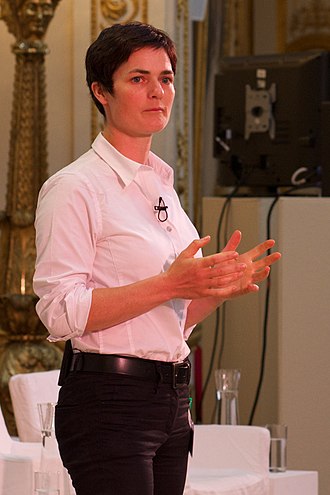
Ellen MacArthur (born 8 July 1976)
Dame Ellen Patricia MacArthur DBE is a successful solo long-distance yachtswoman. On 7 February 2005, she broke the world record for the fastest solo circumnavigation of the globe, a feat which gained her international renown.
Following her retirement from professional sailing on 2 September 2010, MacArthur announced the launch of the Ellen MacArthur Foundation, a charity that works with business and education to accelerate the transition to a circular economy.
She once held the top spot on the UK Top Gear show for fastest star in a reasonably priced car.

Dame Cicely Saunders (22 June 1918-14 July 2005)
Dame Cicely trained as a nurse, a medical social worker and finally as a physician.
Involved with the care of patients with terminal illness since 1948, she lectured widely on this subject, wrote many articles and contributed to numerous books.
Dame Cicely founded St Christopher’s Hospice in 1967 as the first hospice linking expert pain and symptom control, compassionate care, teaching and clinical research.
St Christopher’s has been a pioneer in the field of palliative medicine, which is now established worldwide.

The Flying Nightingales (formed 13 June 1944)
On 13 June 1944, one week after D-Day, three Dakota aircraft took off from an RAF base in Wiltshire and headed over the channel to France. The planes carried ammunition and rations to supply the Allied soldiers fighting their way through Normandy.
But there were three women on board as well – Corporal Lydia Alford, Leading Aircraft Women (LACW) Myra Roberts and Edna Birkbeck, members of the Women’s Auxiliary Air Force. Their role was to care for the wounded men the planes would carry on their return trips.
This was the first time the British government had authorised women to be flown into an active war zone. It was a potentially lethal mission. When the Dakotas finally returned safely, the three women were dubbed “the Flying Nightingales” by the newspaper correspondents who greeted them.

Vivian Bales Faison (19 January 1908-12 Dec 2001)
She was featured on the cover of the November and December 1929 issues of the Enthusiast™ magazine. Arthur Davidson called her “The Georgia Peach.” And newspapers across the country were hailing “The Enthusiast Girl”.
Empowered by her new Harley-Davidson bike, she wrote to Hap Jameson, editor of the Enthusiast magazine, telling him that she'd like to make a solo trip north on her bike to visit the factory in Milwaukee. Although Harley-Davidson wouldn't officially sponsor the ride, they penned Vivian “The Enthusiast Girl”, and provided her with sweaters that proclaimed this moniker.
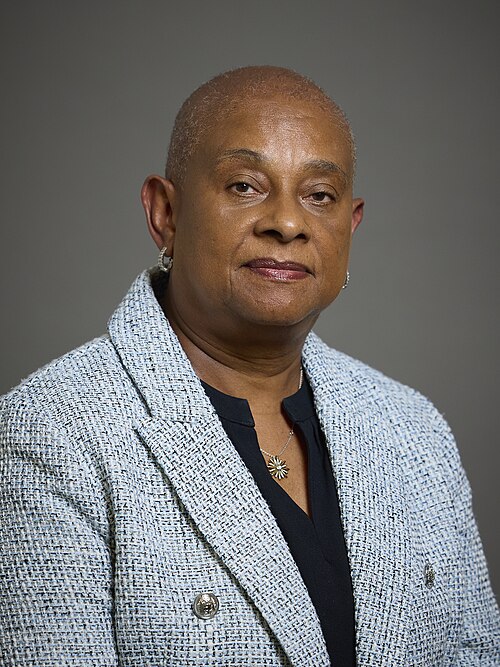
Doreen Delceita Lawrence, Baroness Lawrence of Clarendon, OBE (born 24 October 1952)
Doreen Lawrence is a British Jamaican campaigner and the mother of Stephen Lawrence, a black British teenager who was murdered in a racist attack in South East London in 1993. She promoted reforms of the police service and founded the Stephen Lawrence Charitable Trust.
Lawrence was appointed Officer of the Order of the British Empire (OBE) for services to community relations in 2003, and was created a life peer in 2013.

Flavia Julia Helena (c. AD 246/248 – 330)
Helena also known as Helena of Constantinople and in Christianity as Saint Helena was a Greek Augusta of the Roman Empire and mother of Emperor Constantine the Great. She was born in the lower classes traditionally in the city of Drepanon, Bithynia, in Asia Minor.
Helena ranks as an important figure in the history of Christianity. In her final years, she made a religious tour of Syria Palaestina and Jerusalem, during which ancient tradition claims that she discovered the True Cross. The Eastern Orthodox Church, Catholic Church, Oriental Orthodox Churches, Anglican Communion, and the Lutheran Church revere her as a saint.
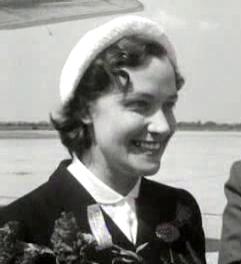
Kathleen Mary Ferrier CBE (22 April 1912 – 8 October 1953)
Kathleen Ferrier was an English contralto singer who achieved an international reputation as a stage, concert and recording artist, with a repertoire extending from folksong and popular ballads to the classical works of Bach, Brahms, Mahler and Elgar.
Her death from cancer, at the height of her fame, was a shock to the musical world and particularly to the general public, which was kept in ignorance of the nature of her illness until after her death.
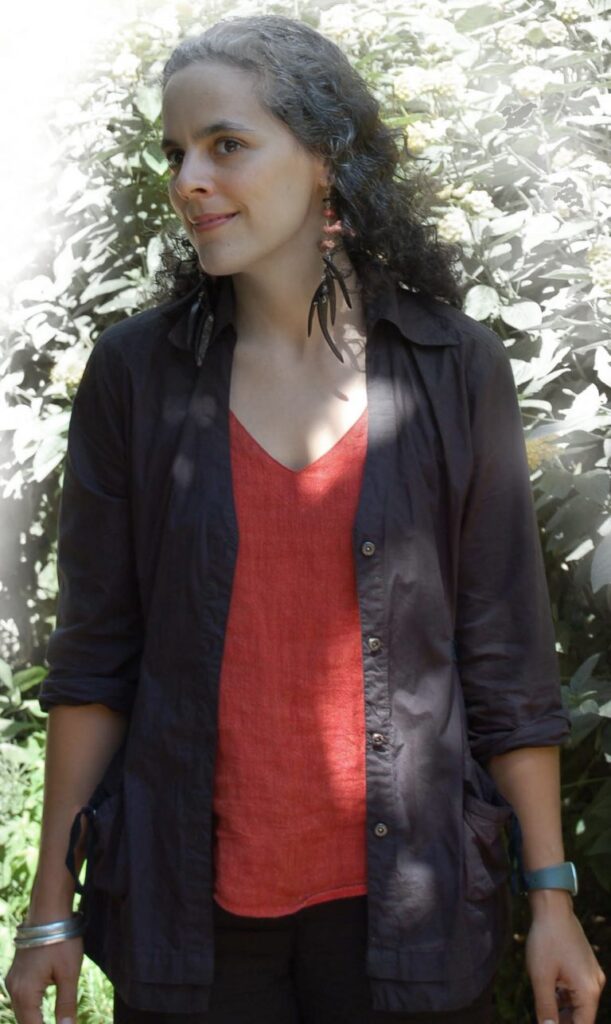
Salima Naji (19 May 1971)
Salima Naji was born in Rabat to a Moroccan father and a French mother, and discovered vernacular architecture while accompanying her father on his fieldwork as a topographer. She moved to Paris for her studies and, after starting with art, turned to architecture. Preparing for her return to Morocco, and in order to learn more about the Atlas and Saharan communities she planned to build for, she pivoted towards a PhD in anthropology.
This path between art, architecture and anthropology is telling of Naji’s commitment to the rehabilitation of the heritage of southern Morocco, using natural materials and local labour.

Artemisia Lomi Gentileschi ( 8 July 1593 – after January 1654)
Artemisia Lomi Gentileschi was an Italian Baroque painter. Gentileschi is considered among the most accomplished 17th-century artists, initially working in the style of Caravaggio. She was producing professional work by the age of 15.
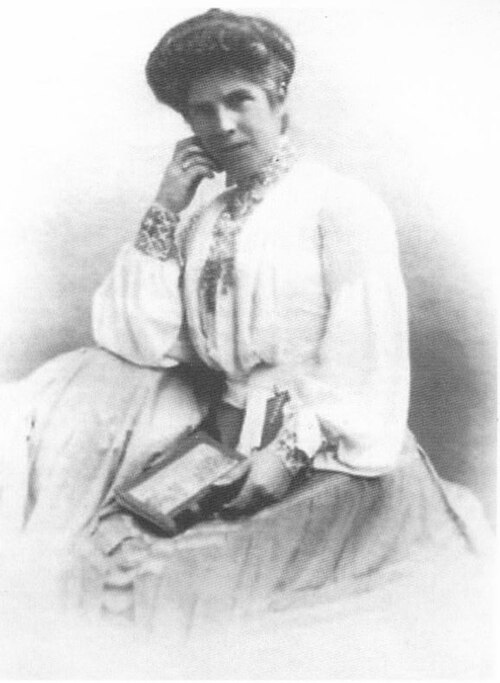
Ellen Ann Willmott (19 August 1858 – 27 September 1934)
Ellen Ann Willmott FLS VMH was an English horticulturist. She was an influential member of the Royal Horticultural Society, and a recipient of the first Victoria Medal of Honour, awarded to British horticulturists living in the UK by the society, in 1897
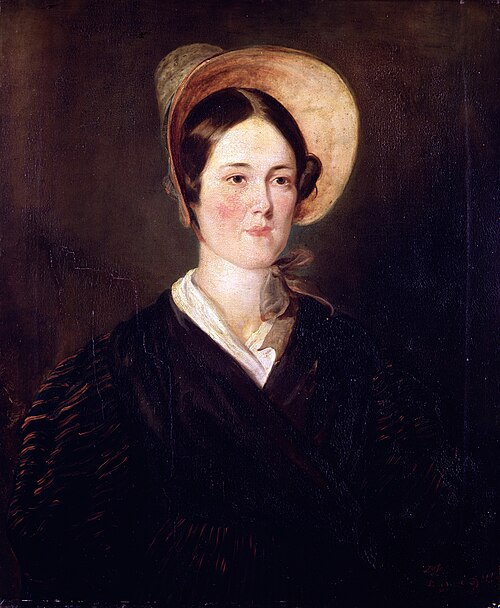
Grace Horsley Darling (24 November 1815 – 20 October 1842)
Grace Horsley Darling was an English lighthouse keeper's daughter. Her participation in the rescue of survivors from the shipwrecked Forfarshire in 1838 brought her national fame.

Harriet Tubman ( March 1822– March 10, 1913)
Harriet Tubman was an American abolitionist and social activist. After escaping slavery, Tubman made some 13 missions to rescue approximately 70 enslaved people, including her family and friends, using the network of antislavery activists and safe houses known collectively as the Underground Railroad.
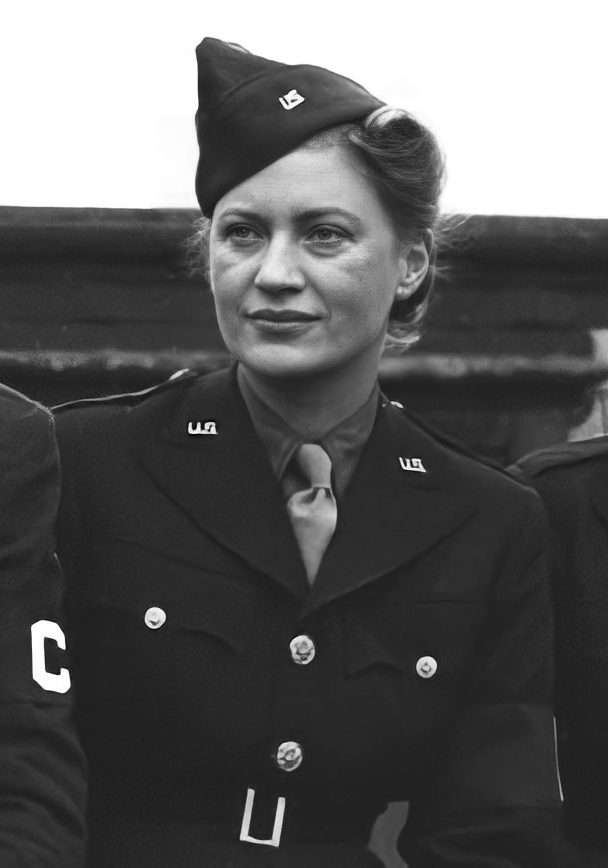
Elizabeth "Lee" Miller (April 23, 1907 – July 21, 1977)
Elizabeth "Lee" Miller, Lady Penrose was an American photographer and photojournalist. Miller was a fashion model in New York City in the 1920s before going to Paris, becoming a fashion and fine-art photographer there.
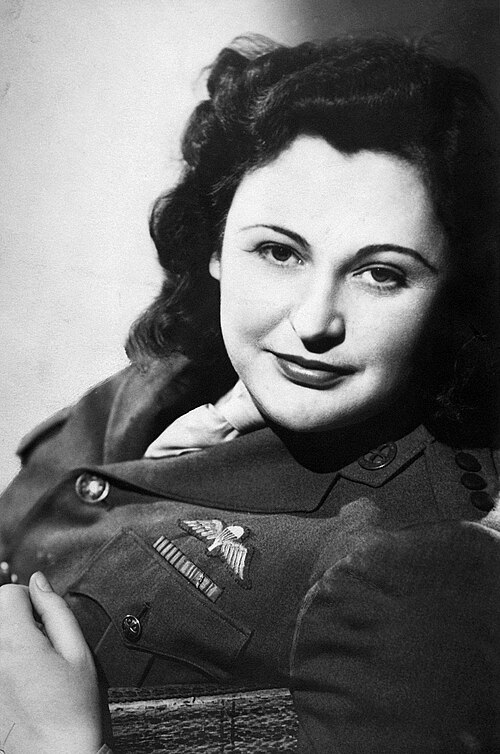
Nancy Grace Augusta Wake (30 August 1912 – 7 August 2011)
Nancy Grace Augusta Wake, AC, GM, also known as Madame Fiocca and Nancy Fiocca, was a New Zealand-born Australian nurse and journalist who joined the French Resistance and later the Special Operations Executive during World War II, and briefly pursued a postwar career as an intelligence officer in the Air Ministry.
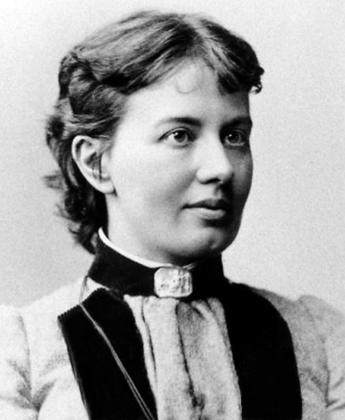
Sofya Vasilyevna Kovalevskaya (15 January 1850 – 10 February 1891)
Sofya Vasilyevna Kovalevskaya was a Russian mathematician who made noteworthy contributions to analysis, partial differential equations and mechanics. She was a pioneer of equality for women in mathematics.

Dame Freya Madeline Stark DBE (31 January 1893 – 9 May 1993)
Dame Freya Madeline Stark DBE was a British-Italian explorer and travel writer. She wrote more than two dozen books on her travels in the Middle East and Afghanistan as well as several autobiographical works and essays.

Emma Eliza Coe ((September 26, 1850 – July 21, 1913)
Emma Eliza Coe was a Samoan-American princess and businesswoman who became the most prominent woman in commercial enterprise across Melanesia
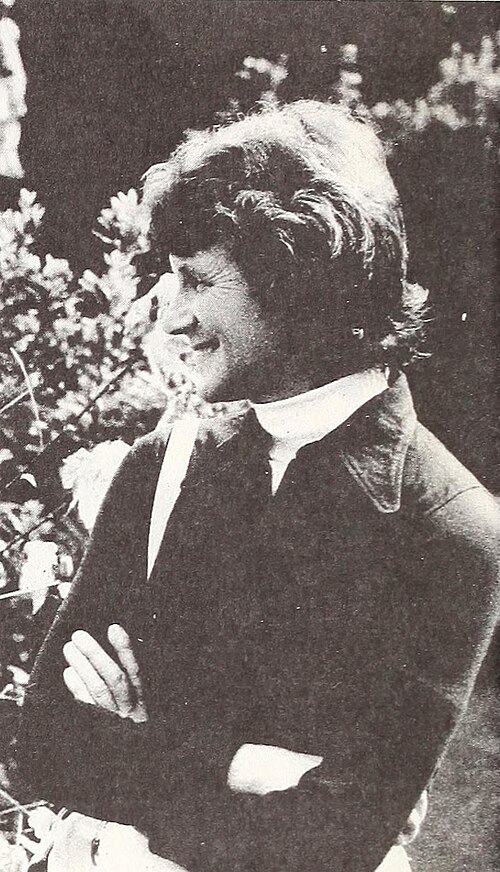
Catharine Jan Morris CBE FRSL (2 October 1926 – 20 November 2020)
Catharine Jan Morris CBE FRSL was a Welsh historian, author and travel writer. She was known particularly for the Pax Britannica trilogy, a history of the British Empire, and for portraits of cities, including Oxford, Venice, Trieste, Hong Kong and New York City.
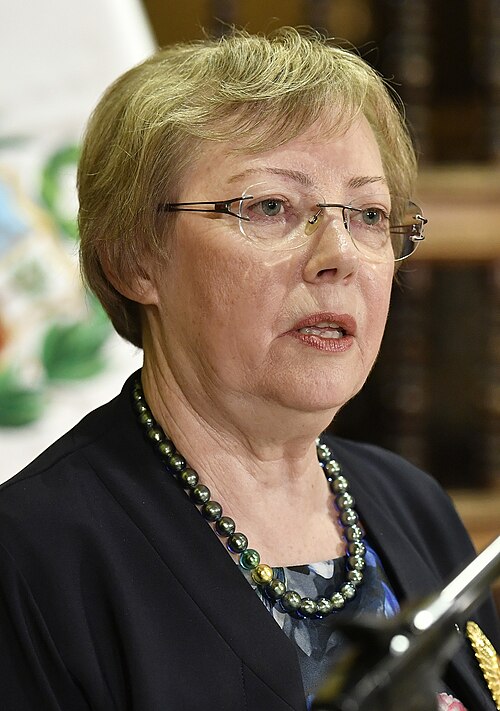
Juliane Margaret Beate Koepcke (born 10 October 1954)
Juliane Margaret Beate Koepcke, is a German-Peruvian mammalogist who specialises in bats. She is the daughter of German zoologists Maria and Hans-Wilhelm Koepcke. Koepcke is known for being the sole survivor of the 1971 LANSA Flight 508 crash.
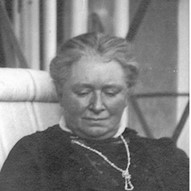
Thomazine Mary Lockyer (1 July 1852 - 9 September 1943)
Lady Thomazine Mary Lockyer was a British astronomer, suffragist, and Unitarian. She was elected a member of the Royal Astronomical Society in 1923.
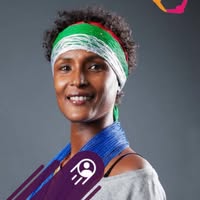
Waris Dirie (21 October 1965)
Waris Dirie is a Somali model, author, actress and human rights activist in the fight against female genital mutilation. From 1997 to 2003, she was a UN special ambassador against FGM.